
Richard Turley sees the world. It’s what all of his work is about: sputters of cognition splashed across a celebrity’s face, a mile of text written by someone with no byline. The goal isn’t a perfect, smooth image, but one rippled with the consciousness of what we say, as much as what we don’t even remember thinking.
Turley is technically a graphic designer. His signature text-on-image style is everywhere – in Interview, where he was brought on as Editorial Director to lead the magazine’s redesign in 2018; in his tempestuous and beloved print projects, Civilization and Nuts; in his commercial work for all the brands that run the world (Formula 1, Calvin Klein, Guess) and even in superstars like Rosalía, whom Richard worked with on the visual identity for her latest album, LUX (2025). And like all people with great ideas, you can see Turley’s style in work he didn’t have anything to do with.
But beyond titles and disciplines, Turley loves making things. He lives in a forever-creative-flow state, collecting and arranging signs of life into new scenes that invite contemplation, if even just for half a second, for just right now or for the record. He’s also a generous collaborator, unmired by the hierarchy and clout games that typically dictate creative production at a certain level of success. He wants to know everybody – anybody who has an idea or a point-of-view to share. He goes where the energy flows.
Biz Sherbert: We met because you read something I wrote and asked me to write for Civilization. And then you said: we don’t publish thinkpieces.
Richard Turley: I still don’t like them. When I say “them,” this was a few years back, when that very labored strain of cultural critical thinking and crystal-ball futorology was a thing – where ideas disappear in a fog of theory and long, complicated words, all delivered with a confidence and that almost, like, performs intelligence rather than trying to explain anything, you know? I don’t have a problem with people talking about ideas. But the smartest people I know deliver simple ideas humbly. They’re not interested in proving how clever they are. Whereas choosing language that deliberately excludes people is just a pose.
BS: A pose toward what?
RT: Authority. Attention. Relevance. I don’t know. Performative intelligence makes you look like a genius to ten percent of people and a dick to ninety percent, and the vanity is so strong that they mistake that ten percent for consensus and lose all sense of the room. So, I don’t want to publish that ... And these idiots are always wrong about everything, too.
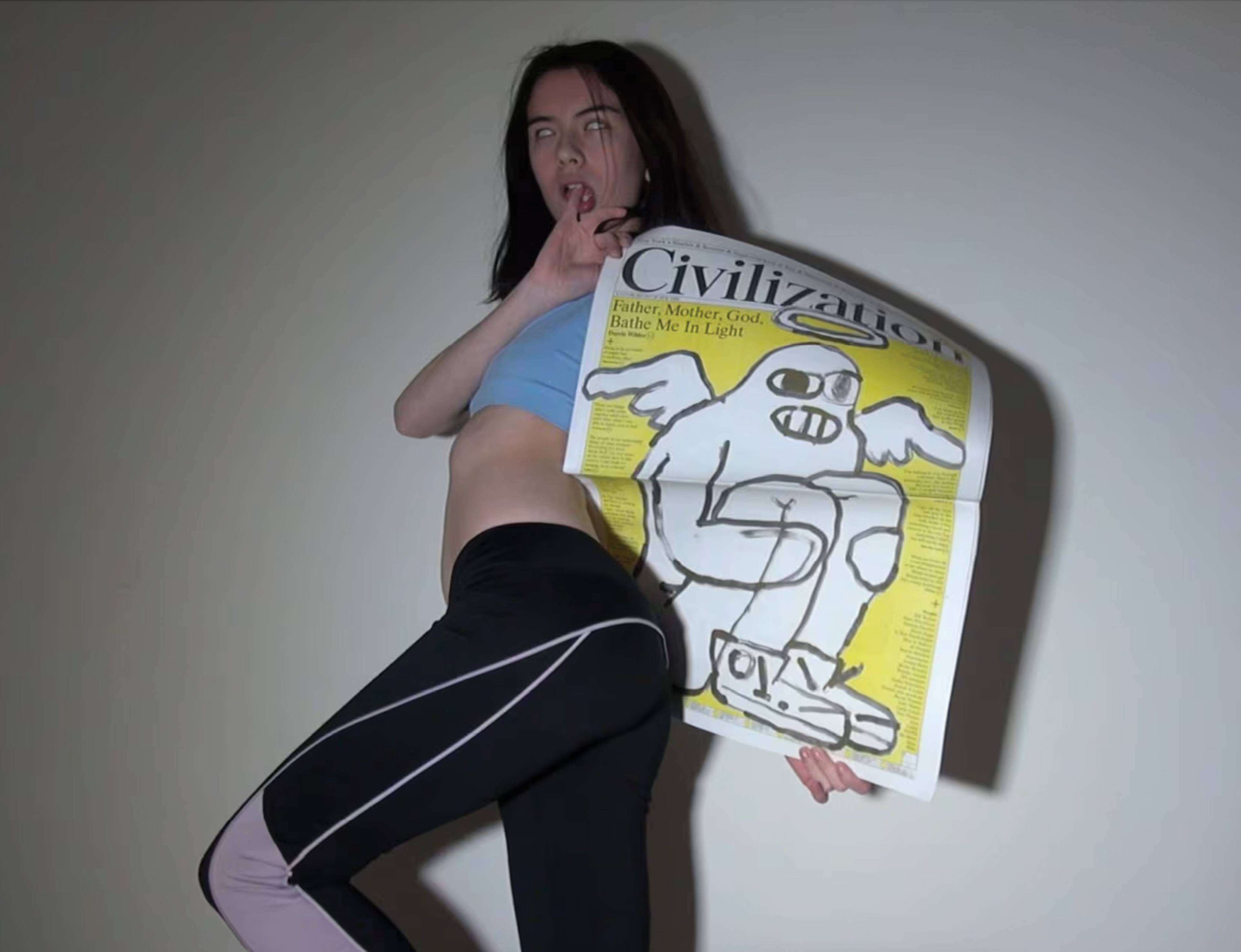
Civilization, 2016–. Photo: Mia Kerin
I care more about what someone eats for breakfast than their critique of online culture or the latest attempt to unpick whatever Sydney Sweeney did that day. I want to know why you take the supplements you take, what you think might be wrong with you, what makes you feel guilty, what the worst thing that’s happened to you is, whether you have $50,000 in the bank – that’s what interests me. Not the social-media-groomed version of being clever. I mean, I’m happy for whoever is happy that these forms exist. I’m not trying to censor anyone. But as this all relates to Civilization, I didn’t want, and don’t want, anything that I make for pleasure to feel like being trapped at a terrible Brooklyn dinner event with Josh Citarella.
BS: You’ve called thinkpieces “low frequency.”
RT: Lolz.
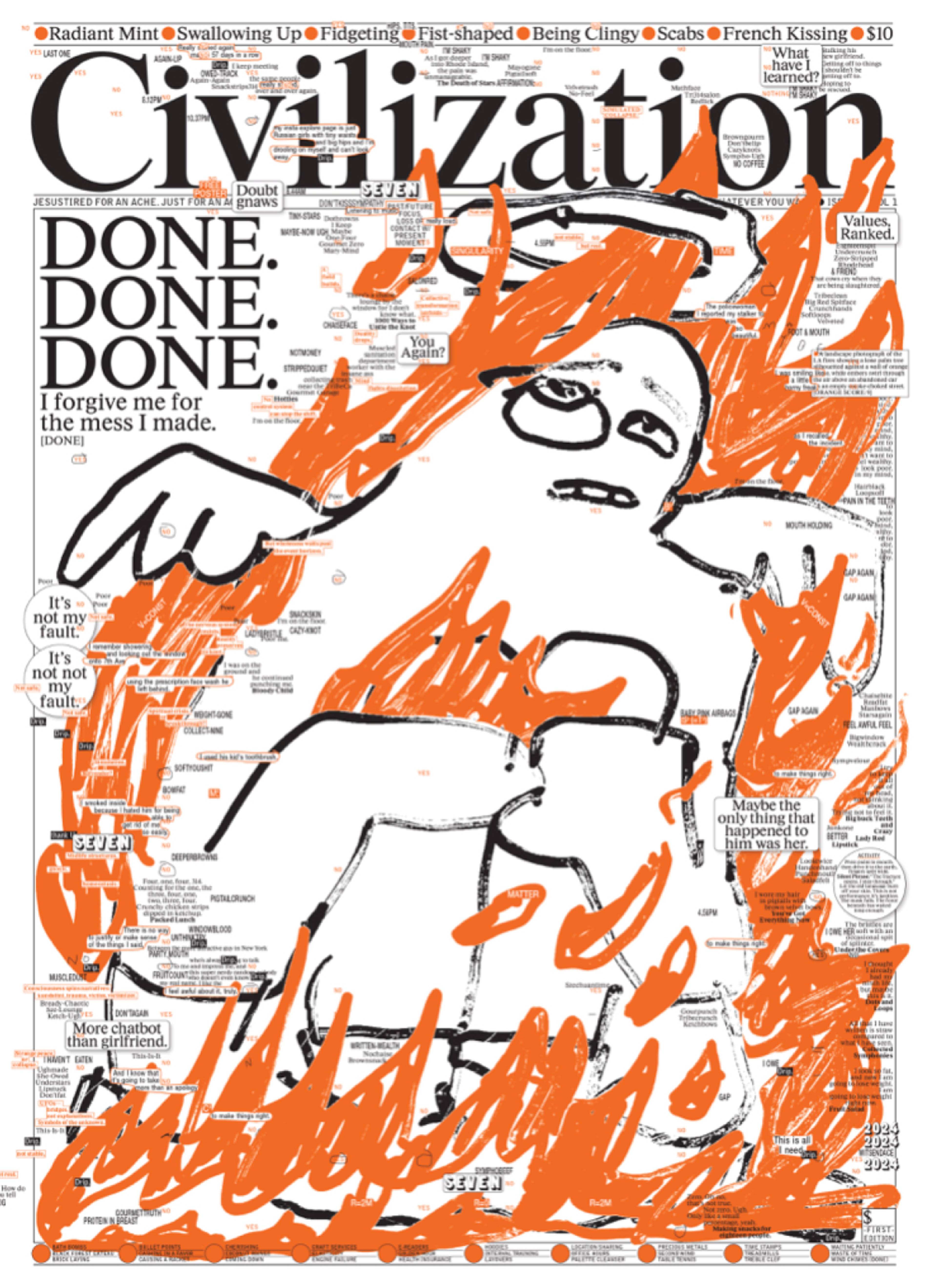
Civilization, Issue 7, 2025
BS: So, what were you trying to do with Civilization instead?
RT: You know when you take your phone out when you leave your apartment, and then twenty minutes later you come to, and realize you’ve walked across the city without looking up, but you’ve been aware of everything? I’m trying to do that. Knowing exactly where you are, but not knowing how you got there. Reading without reading. And then inside the words: fear, love, overwhelm. Needing help, being stuck. Being a pillow to scream into. A public place to hide. Words, words, words. So many words. Words instead of images.
Like, we were ahead on the “word as image” thing almost by accident. There wasn’t a big idea behind it beyond a question I had about format, which was: can you read without reading? Can you make words look like pictures that make you feel?
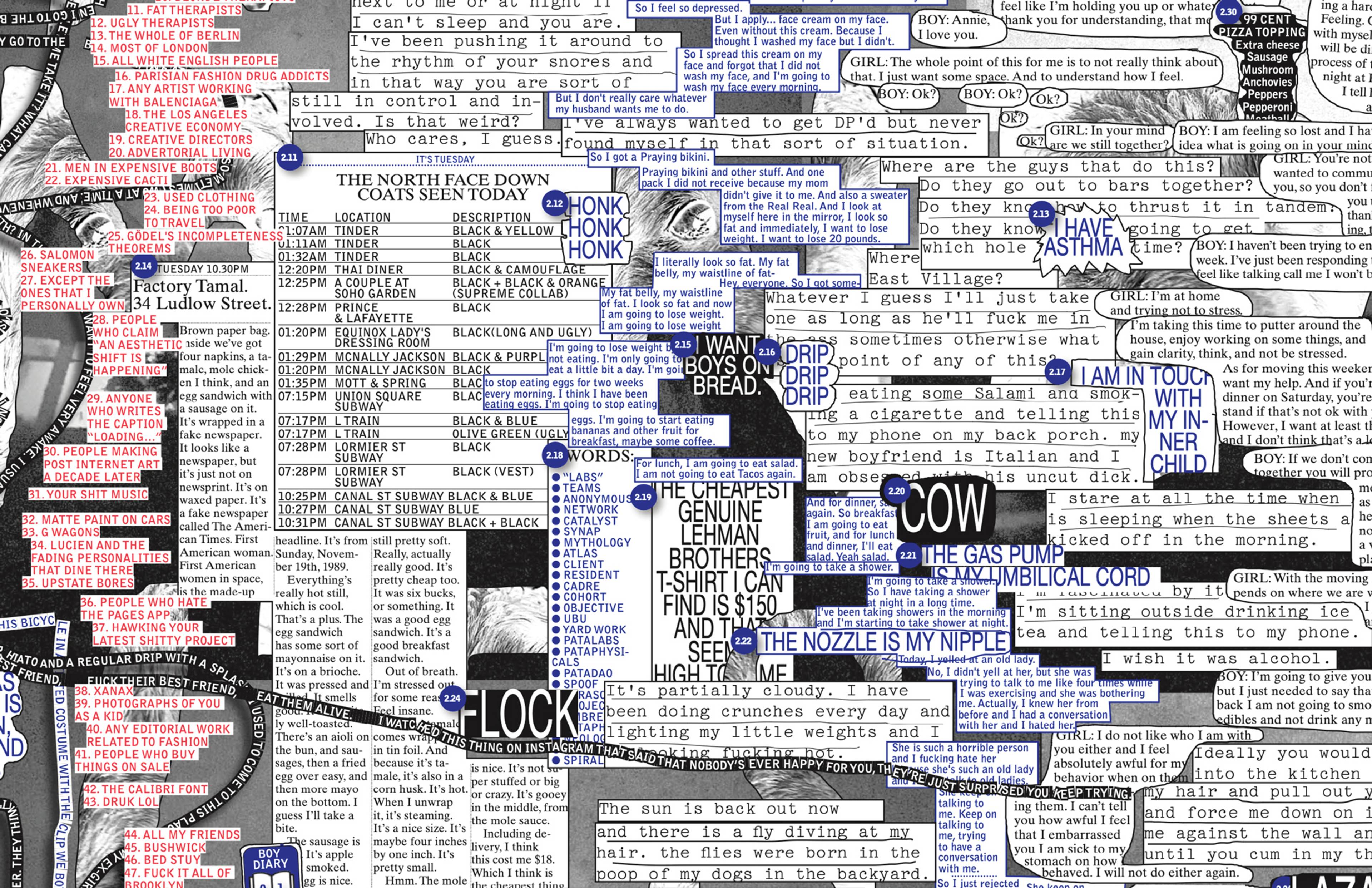
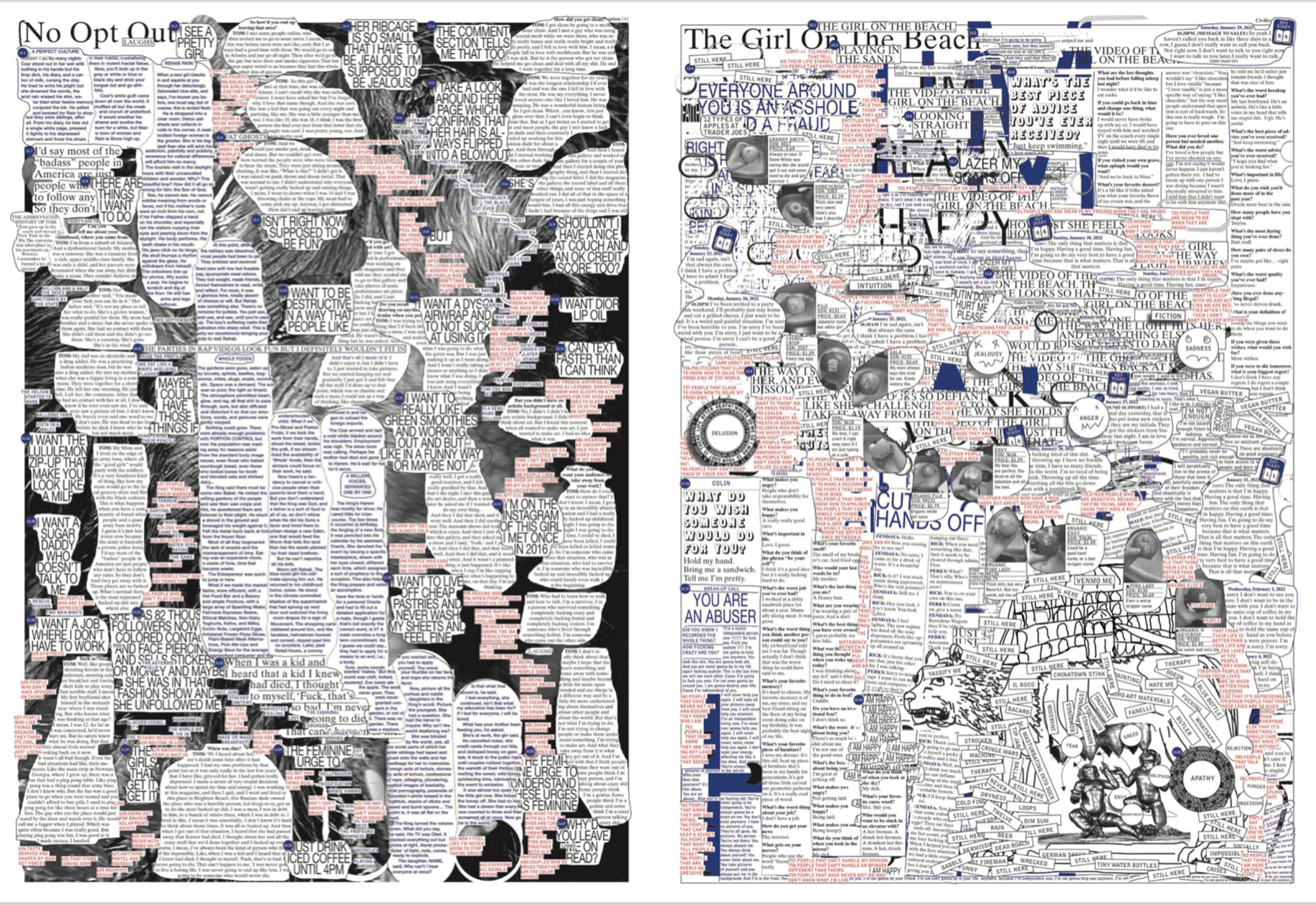
Civilization, Issue 6, 2022
BS: Is the image dead?
RT: No. That’s insane. Is the image boring? I mean, I still like a lot of them! It’s incredibly hard to make one that feels new. Or one that holds your attention. But then, I don’t know why we get hung up on that anyway. I think it’s fine to look at something and move on quickly. Even if that thing has taken a team of one hundred people to make – especially if it has taken one hundred people to make. I think it’s maybe an example of us being too moored to the idea that things should have permanence if they are to be considered important and meaningful. It feels a little twentieth-century.
But even devalued as they might be, pictures still run everything. Personally, I like images with words the best, if that can be considered a genre.
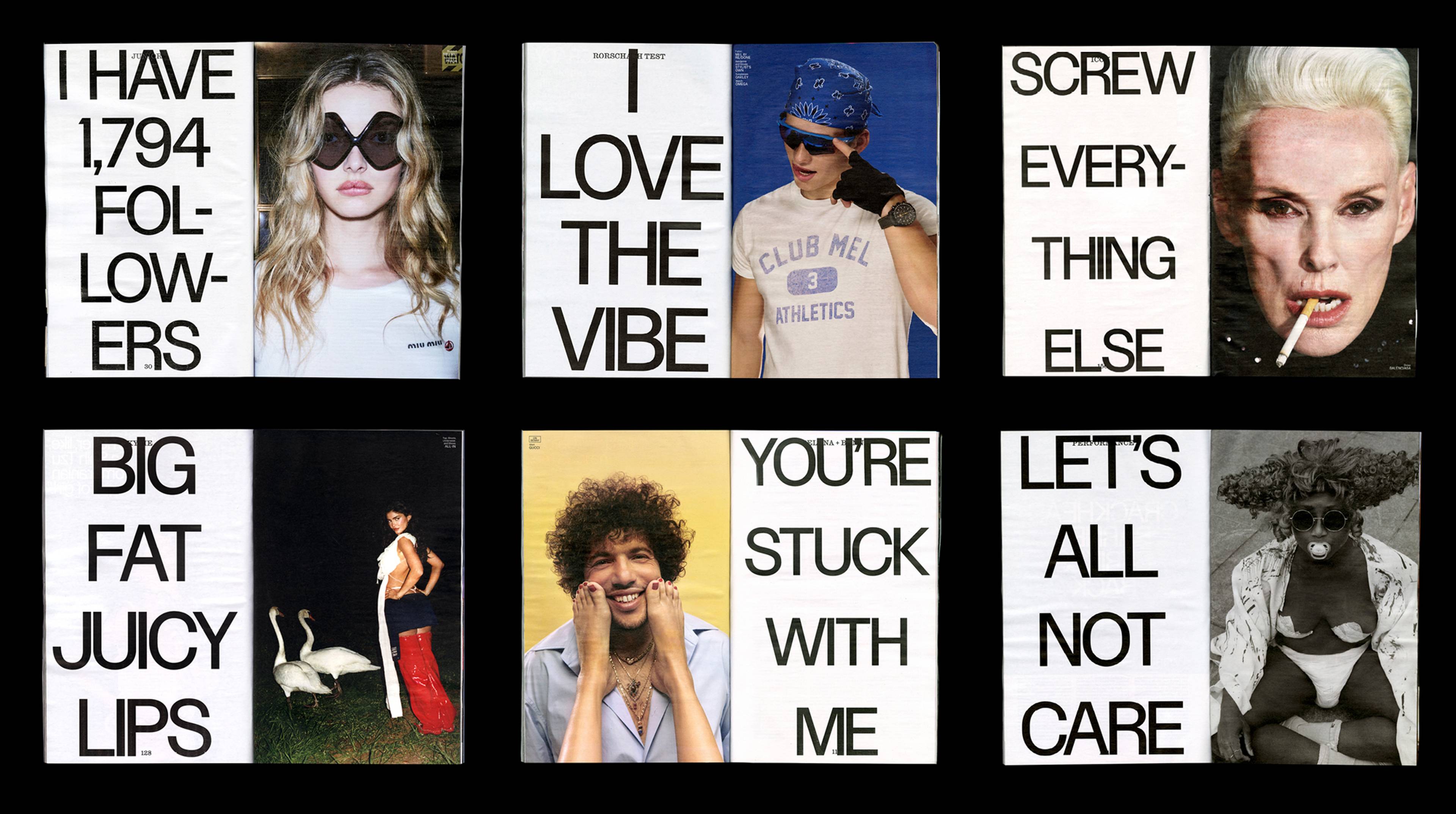
Interview, 2018–26
BS: As long as a woman’s body can be photographed, the image isn’t going anywhere.
RT: Right. We all want to look at pictures of cute, interesting girls – and boys. That’s not going to stop. If we’re going to continue mating, then we’ll always need role models and visual references.
BS: So, what’s the point of a magazine now?
RT: I’m not sure they need a rationale, but it’s a question I get asked a lot. I think the corporate answer is: people want slowness, tactility, to be removed from their phone for a minute or two. That they’re elevated by nature of being, by conventional media-making standards, hard to make.
Underneath that, maybe they keep on going and giving because big corporations are run by nostalgists, and sponcon looks more expensive and desirable when it’s been printed out on paper. Oh, and they’re very good visual aids, as props for social media posts.
Then, even deeper down, there’s some idea of them being community projects, clubs, badges. Shared authenticity. If you’re in, you’re in.
BS: Like Interview.
RT: Yeah, maybe.
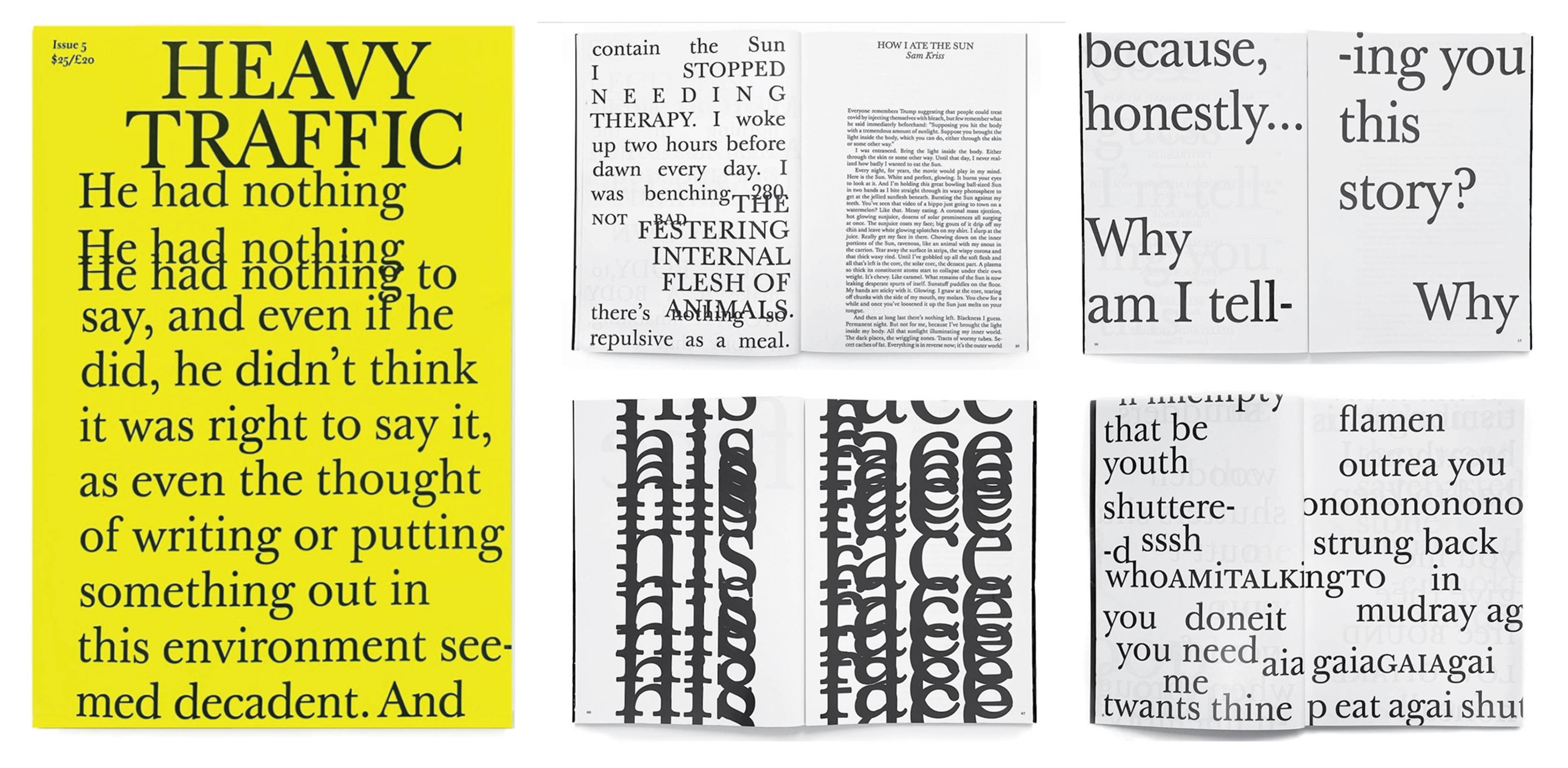
Heavy Traffic, Issue 5, 2024
BS: I love that idea of creating for no reason. Our friend, the artist Lola Dement Myers, says it outright: I do it for no reason.
RT: That’s it. Though maybe the important idea in that thought isn’t the reason – it’s the doing. The decision to continue, even when it doesn’t fully add up. In the case of a printed magazine, you make the thing and, in doing so, leave a trace of what we believed was worth recording – fixed in a form that can’t be altered by an algorithm change or erased in a software reboot. At the very least, it creates the possibility that a later generation might dust off a magazine from under the rubble and see what was happening and decide for itself whether it meant anything at all.
And there’s no need to say sorry if you’re making them for purely pleasure. People like looking at them – that’s enough. The pictures are larger than they are on a phone. It can be that simple. It probably should be.
I do wish we could find more reasons for them to exist than attempting to reboot the past – cosplaying what a magazine was supposed to do ten, fifteen, twenty years ago.
BS: What does that mean?
RT: Most magazines look like what people think a magazine should be, not what they could be.
A magazine is one hundred or two hundred pages glued together that people flip through and extract fragments of meaning from. Start there. Not from some imagined end-product moodboard of Vanity Fair in 1998 or The Face from whenever, back when shit was very, very different.
Magazines once introduced people and ideas. Now, we’re part of the global content farm, mostly recycling people you’ve already seen online. Not because they need more attention, but because their teams and projects need something to point to, and so we can layer over another brand, another collaboration. More sponcon – we’re all sponsored content at this point.
And “content” is a terrible word for it. It sounds like it should contain something: an idea, a point, anything. Most of the time, it doesn’t: it’s just a unit, something to fill space, to give someone a second of their life to loiter on in their feed before they keep scrolling. So, content isn’t really content anymore. It’s infrastructure. Pipes and plumbing. And magazines provide a good, very obvious infrastructure outside the feed: paper.
I think this environment is why Interview works well. I don’t need to school Spike readers on Warhol, but he had a point of view on the unit thing early on. He saw that the whole thing is empty and compromised, and instead of resisting it, he turned it into material. He took something meaningless and made art out of it, without pretending it wasn’t meaningless to begin with. That’s basically the logic we follow, which allows us to misremember Interview for a new audience – make a magazine you could happily skip through. Drink in the sponcon. Move on and don’t feel guilty for it.
The first thing I did at Interview was cutting everything that wasn’t a big picture or a conversation. No front of book. No back of book. And text-modifying as many photos as we could find quotes for. To provide the framework.
BS: Hair, makeup, wardrobe, narrative.
RT: Exactly. Dressing someone up, shaking them up a bit, giving them a new set of clothes, a new way of being seen. That’s always been the magazine’s job. That hasn’t gone away.
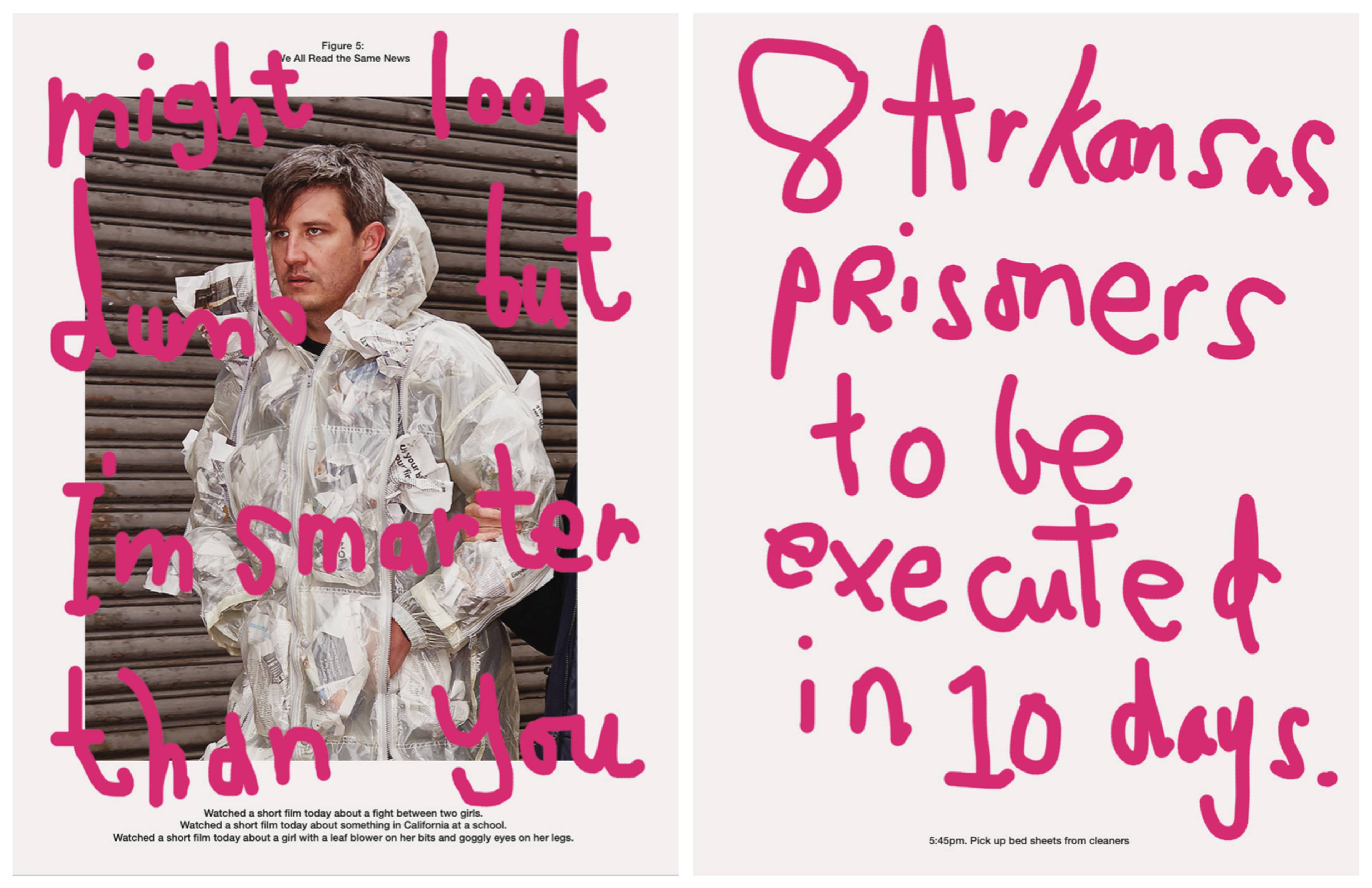
032c, “Us v Them,” 2017
BS: Speaking of Lola, you guys worked together on the visual identity for Rosalía’s album LUX recently. Tell me about that.
RT: Yeah, kind of. Rosalía had someone else do the album and whatever the story is, and that didn’t work out, so we picked it up from there and started making things around it. Books, clothing, posters, all sorts of stuff for the tour. We’ve just done a lot more clothes and objects. I keep saying “we,” but it’s really Echo [Wu, Richard’s assistant]. There’s a zine dropping soon. They’re doing a lot of print.
It’s actually the first music project I’ve worked on, and thank god the album is actually good. I felt such a strong connection to the music, and to her, in a way that I think her fans feel too – which must be completely overwhelming to carry around. And knowing how much of a leap of faith that record was for her, how brave and determined she had to be to push those ideas though her record company and into the world, and how much she needed to change the context she was working in to do it. Love that woman.
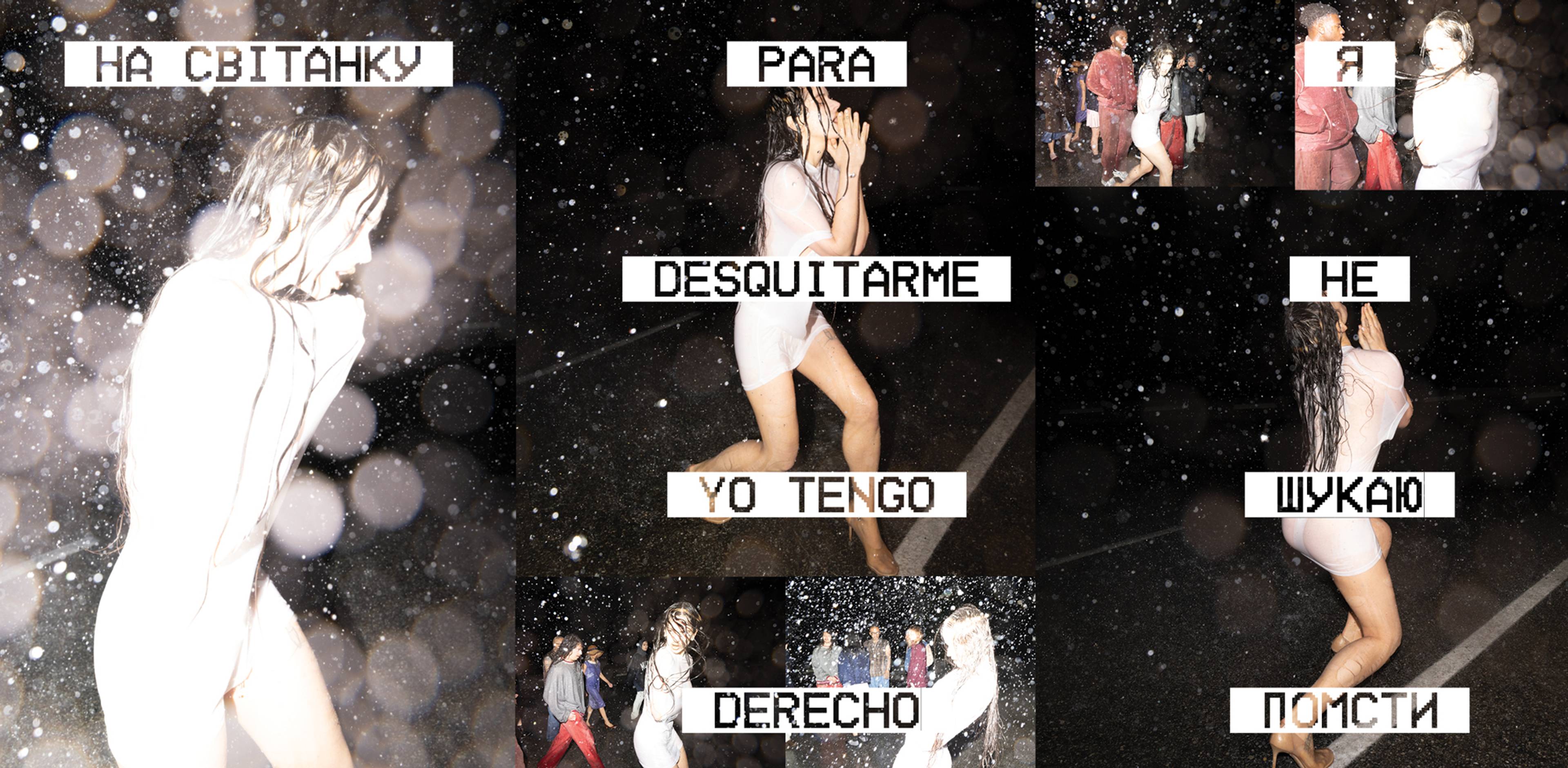
Campaign for Rosalía, LUX, 2025–26
BS: Going back to how magazines recontextualize cultural figures. I’m interested in where that impulse goes next. Addison [Rae] felt like the clearest example of that at Interview: someone from the outer edges of pop culture turning into a kind of art-world darling. Where does that energy go now?
RT: I don’t think that impulse is going anywhere. Maybe another question would be who gets contextualized next. That lens keeps shifting, and will forever shift, across people, ideas, platforms. Media have often worked best when they amplify something that already exists. It took Cactus Plant Flea Market seven or eight years to go from an idea for a brand in a kitchen to a McDonald’s collaboration. Or Pimp My Ride (2004–07) – a few kids in LA modifying cars, which MTV turned it into a spectacle. Same mechanism. Who gets pimped next? Usually someone a little spicy, a little dangerous. That’s why interest in OnlyFans girls is booming now. The next Addison is coming from there.
BS: I saw Interview working with that OnlyFans creator – Anna Malygon, I think?
RT: Yeah. Her team was relentless. Emails, DMs every week. The persistence was surprisingly successful. Don’t conflate disinterest with rejection if you don’t hear back! I didn’t even clock her as [an] OnlyFans [creator] at first. What caught me was that she’s Ukrainian – this voice coming out of the middle of everything happening there. That felt interesting.
BS: She’s also good at platforms. Her Instagram work stands on its own.
RT: Love that. And to be clear, I’m not the culture scout at Interview – I’m fifty this year for fuck’s sake. I’m not hunting the next thing. Don’t look to me for who’s next.
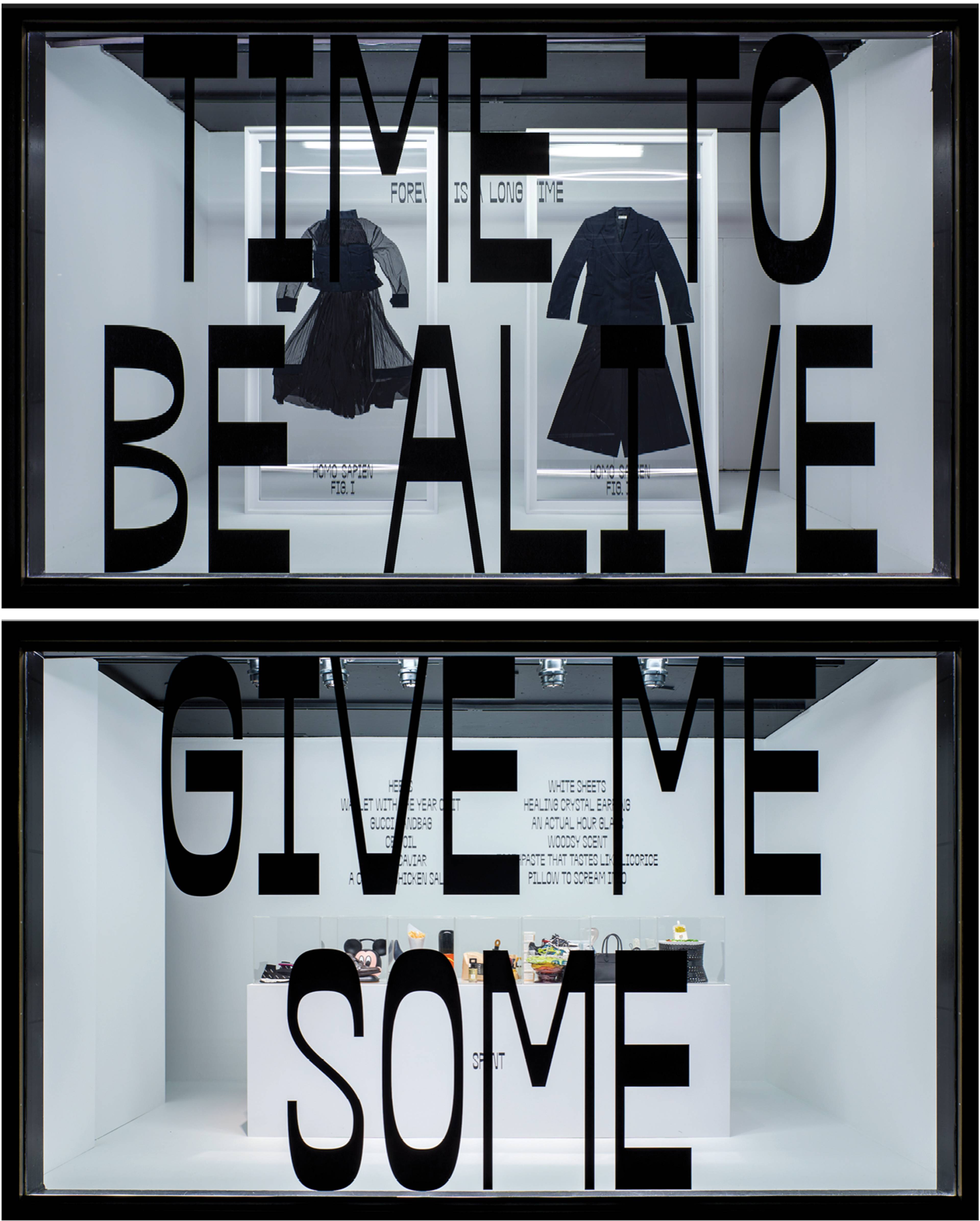
Barneys “Till I Die” Campaign, 2019
BS: So how do things reach you, if you’re not deep into TikTok?
RT: Through conversations. I talk a lot and like to go really deep. I look. I go to bookshops. Galleries. Same as anyone else. I have a great Apple News algorithm going. I like Tumblr [laughs]. I pray for the zeitgeist to commune with me. I like what I like.
BS: You once described Nuts, the experimental fashion magazine we work on together, as “something only a human would spend so long making – a dead end this deep.”
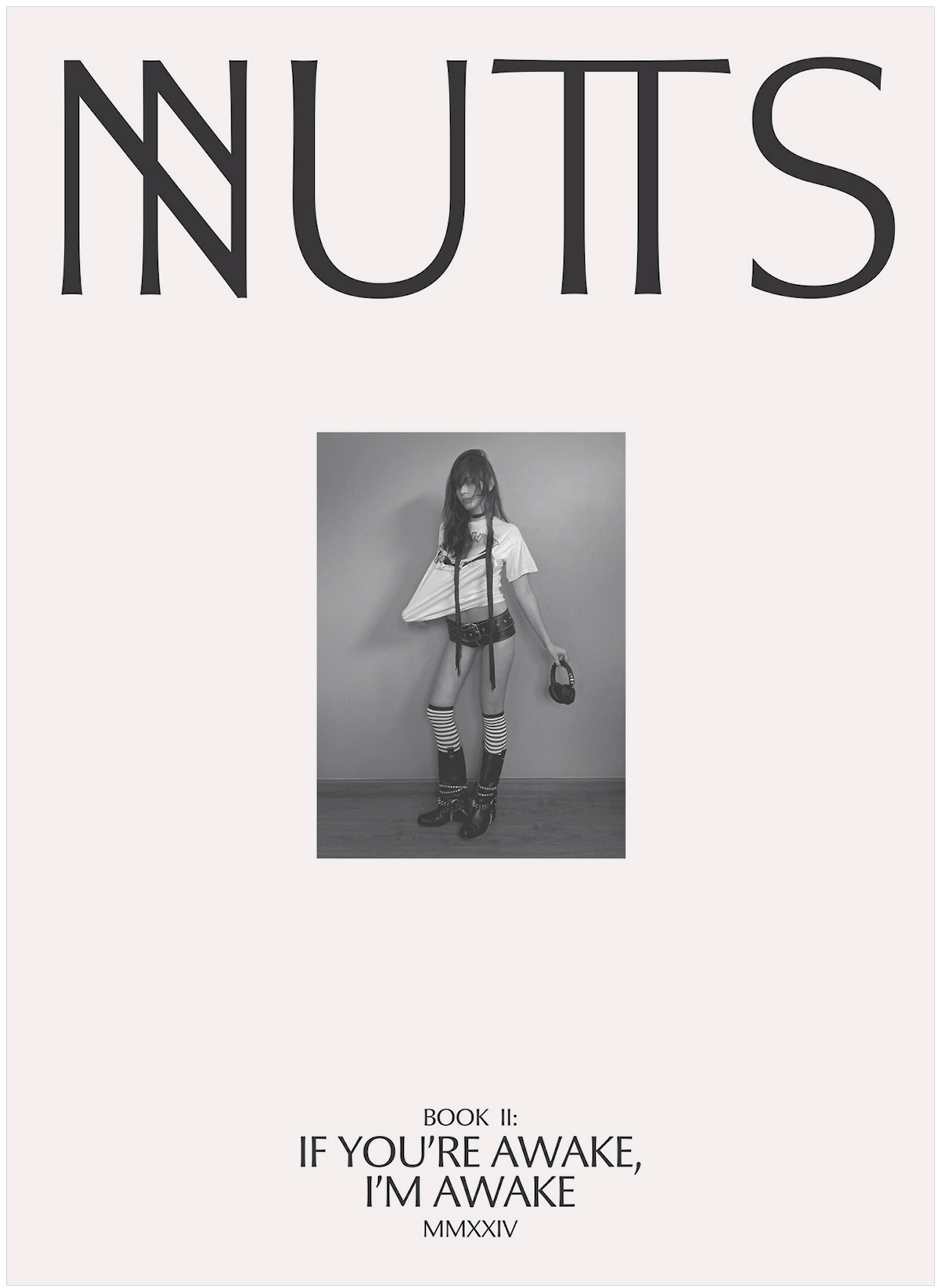
Nuts Magazine, 2023
RT: I like the read of a magazine or a newspaper or a printed object being a dead end. Dead trees printed with old ideas; finite, one-way, trapped, no looping back. Once you hit export on the PDF, that’s it. It’s frozen in that moment, in a world of feeds and refreshes and constant interaction and participation. It’s not really even media in any modern sense. It’s just “object.” For me, it’s more like an edition or a self-made readymade. But it’s different from art, more interesting than art, I think. They’re more confused and less understandable, more accessible and less pre-loaded with bullshit. Cheap, too. Paper and books are such old ideas, but somehow still feel under-thought as objects.
Neither Nuts nor Civilization make sense in a functional way, as they don’t serve any obvious purpose. They’re a beautiful encapsulation of our times. Broken loops. Nostalgic and stuck and, like, inherently narcissistic, with no business imperative and no commercial logic and impossible to explain. With both Nuts and Civilization, we print a thousand copies and let them scatter. No plan beyond that. These dead ends wind up lodged in the world somewhere, continuing to exist, doing nothing except quietly degrading as the paper oxidizes. I love that.
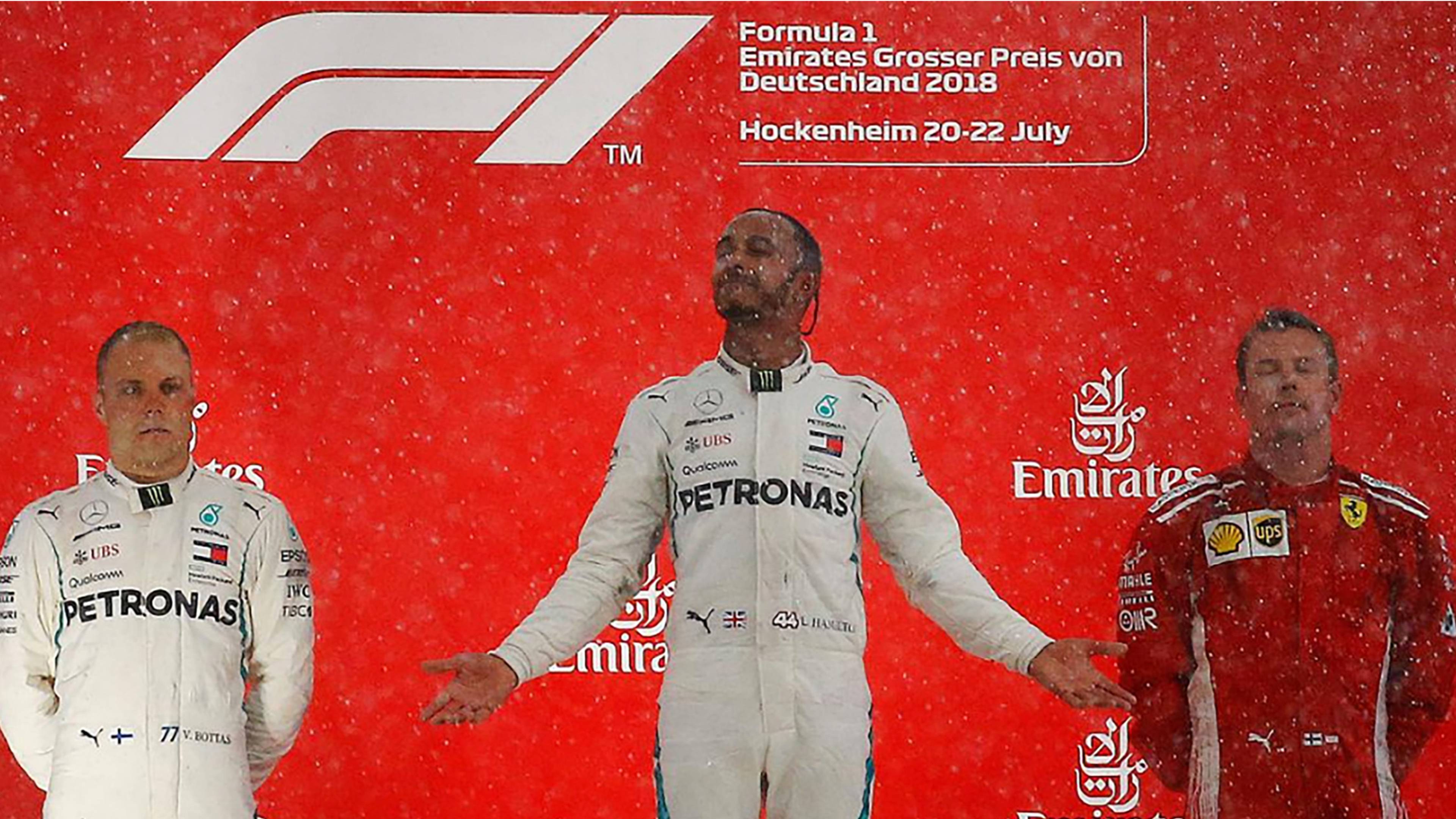
Formula One logo and identity, 2016
BS: Do you have rules you work to?
RT: With Nuts and Civilization, I only work on them when I feel it. I’ll ignore it for weeks, take a little peek at the InDesign file and then, three weeks later, I’m still inside it … and then I lose interest again. After a few months of that, I set a deadline and hit it. Freedom at the beginning, discipline at the end. I don’t really like working in the summer, so the beginning of summer is when I like a deadline.
Corporate work is pretty much that same structure, but on fast-forward. Those projects mean dealing with a much larger group of people, all with their own ideas about what the project is about, what it should be, and all of them competing in some internal Hunger Games-style hierarchy battle. As a hired consultant, you’re never fully aware of the rules of that game, or even who’s really playing it. So, the job becomes getting people to think quickly and instinctively, to make decisions fast, by kind of baffling them into getting out of their own way. So, if you go hard on instinct at the start, if you deliberately underthink it, and make the origin as unhinged and chaotic as possible, there’s a better chance that something alive survives the process. But that’s not always guaranteed.
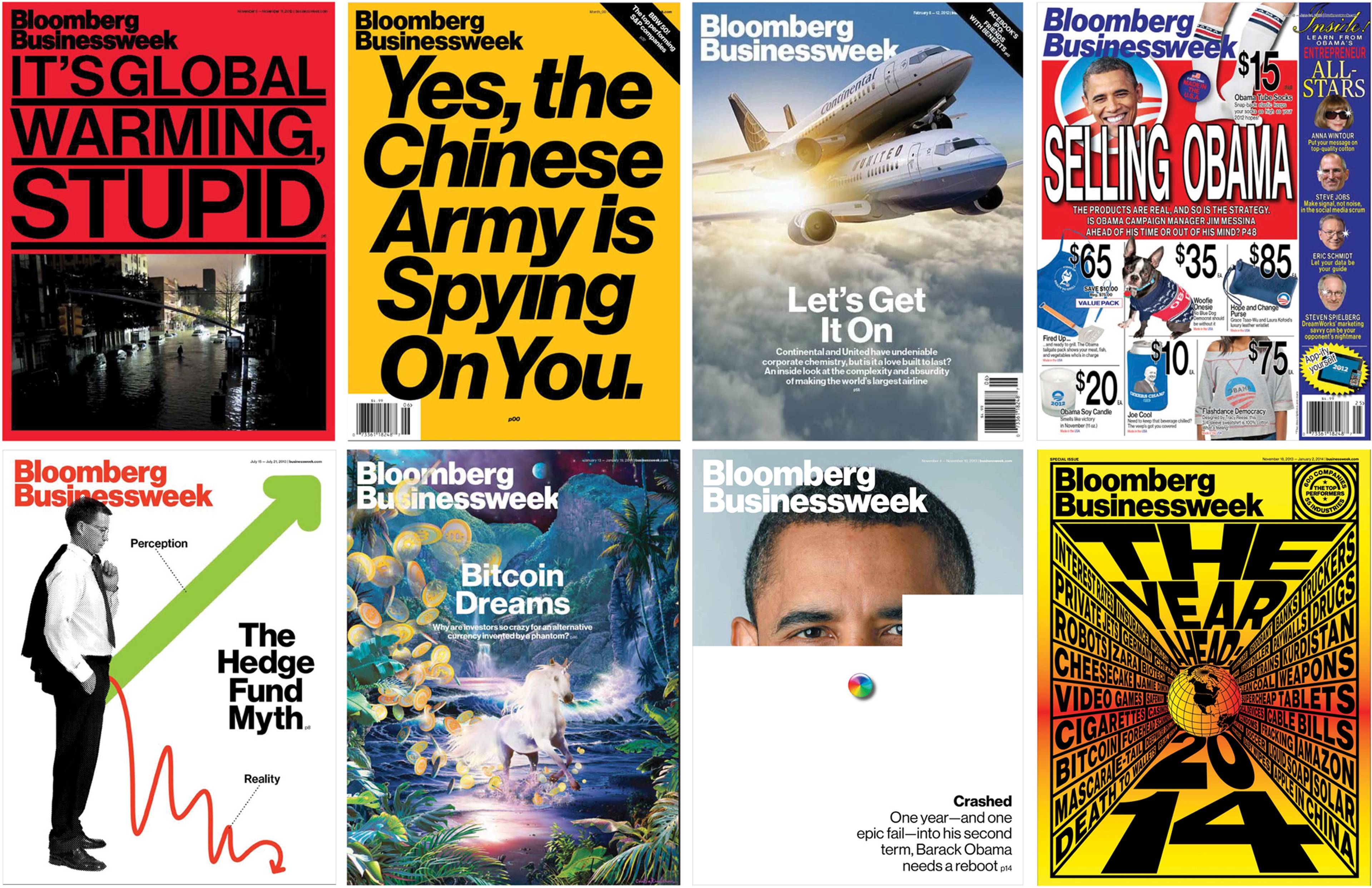
Bloomberg Businessweek covers, 2009–14
BS: It’s funny that you have these emotional methodologies, because you’re always working.
RT: I’m ridiculously new-age, full woo-woo. I locked in years ago. Life comes from you, not at you. Instinct is a memory of the future, blah, blah, blah, the universe running on the transfer of energy – heat, systems spinning, moving between states, blah, blah, blah – and maybe on a human level, that shows up as attention, intention, effort, emotion. And maybe you feel that in what’s made. Ideas arrive either alive or dead. You feel the alive ones. You recognize them. And people pick up on it too, whether something was made with care or anxiety or curiosity or hornyness, whatever. That energy moves through the whole process and ends up embedded in the thing itself. You can’t fake a good or bad idea.
I’ve been working for over twenty-five years now. You build a way of working that suits you, either by accident or design. You get older and wiser, but some things haven’t changed. I work a lot. I always have. I always like to be in the middle of making something, even if it’s something I’m not particularly enjoying making. Bad projects always – always – spit out good ideas you can use somewhere else. That’s one of the many reasons I like taking on gnarly corporate projects. But rapid, chaotic iteration matters. Deadlines matter. My first real job was working on a daily section of a newspaper, which didn’t so much rewire me as build me – it opened me up, letting me see my ideas becoming real in the world and making me watch for what signals bounced back.
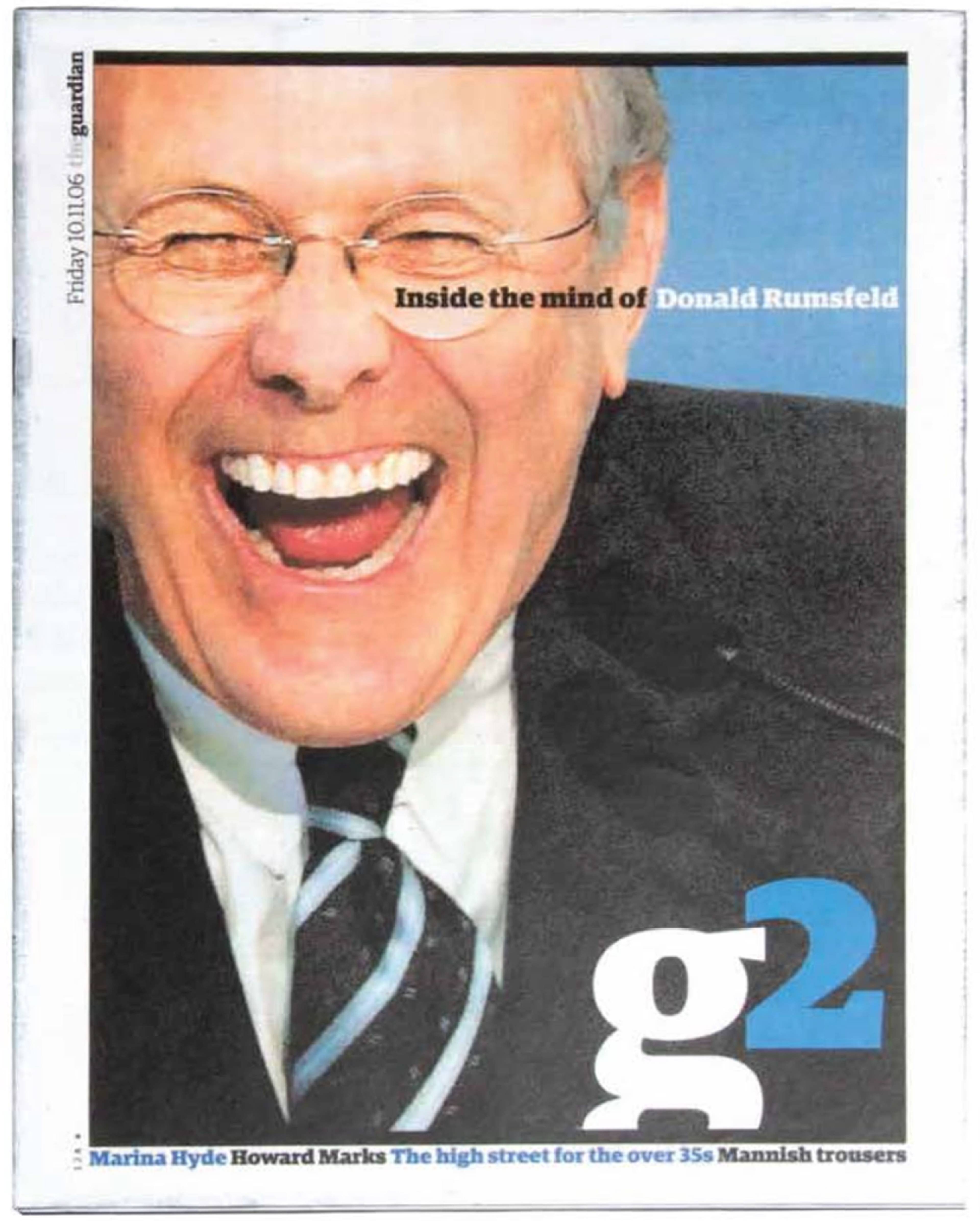
The Guardian, 2006
BS: What feedback did you get?
RT: That people liked my work more when it didn’t make sense [laughs]. Or maybe it made a little bit of sense, enough sense. Making people smile seemed important. So, I suppose I paid attention to those noises, figured out how I’d arrived there, and then kept repeating it until it became a method. Iteration, loops, the Golden Braid! Not sure I was conscious of all those things happening, but that’s how I post-rationalize it.
BS: What’s most interesting to you about fashion?
RT: Fashion is either completely dead or being reborn. How can you not be obsessed with that sort of logic? I have a peculiar relationship with fashion, somehow being totally disinterested in the clothes, but fascinated by the ideas behind them.
BS: What about fashion right now?
RT: I have no clue. Ask Mel [Ottenberg, editor-in-chief of Interview]. I mean … From the bit I’m interested in, I guess the holding companies will be hoping they can still make people believe that a logo and a well-told story around some clothes can change the value of a garment. That there’s still a kind of alchemy there. And that the need to signal taste and affluence to our respective tribes continues forever and ever and ever. I’m bullish on that. Let the beautiful nonsense continue.
BS: What’s most interesting to you about American life right now?
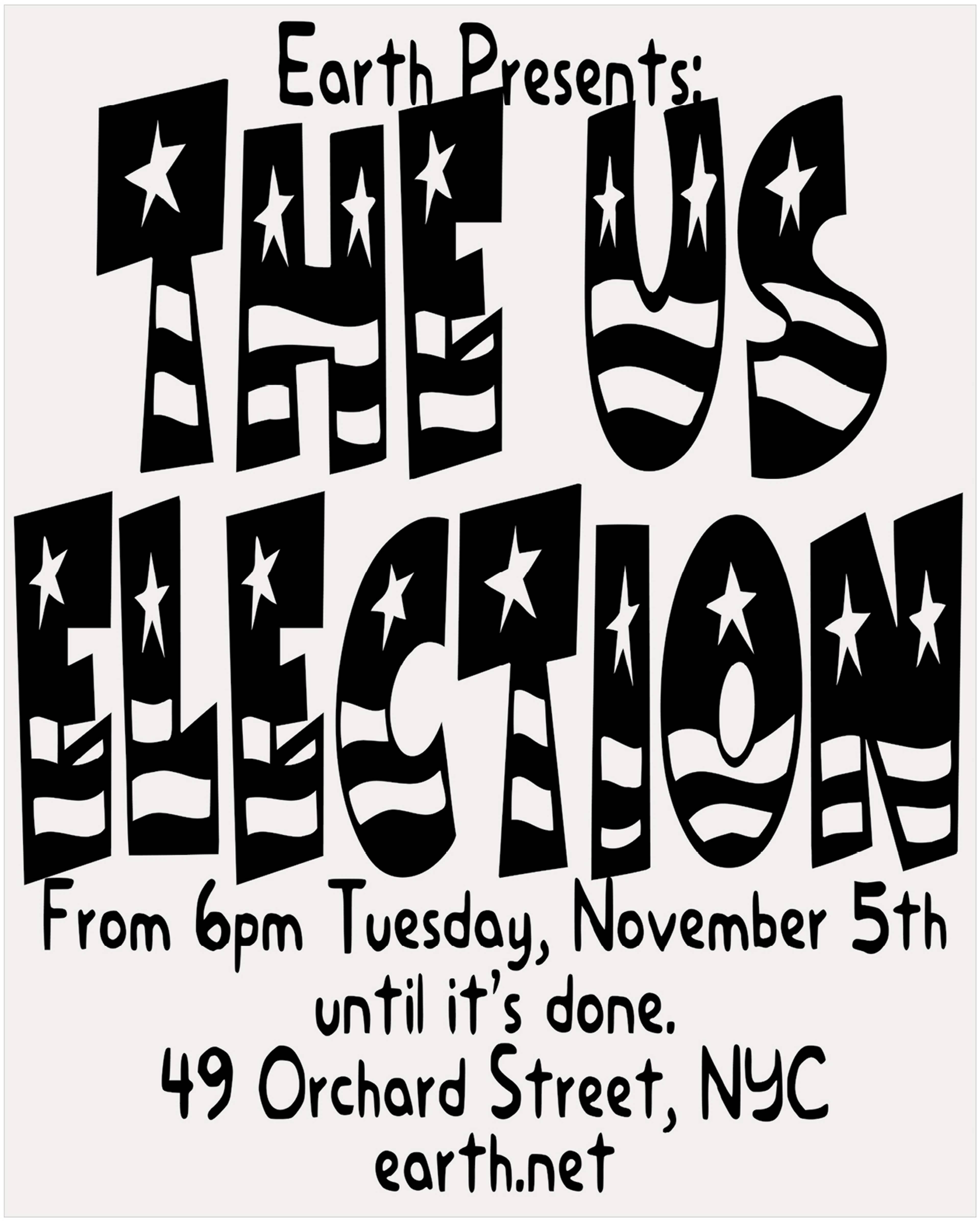
Earth posters, 2024–2026
RT: It’s all horribly fascinating, right? I mean, I’m the least politically motivated person I know. I don’t fully believe in any of them, on any side. I feel like that bit from Annie Hall (1977): “In the event of war, I’m a hostage.” I love America and I love Americans. I love working here. And if it’s the end of the world, then you might as well be in the fun bit, where things are actually happening.
When I go back to Europe, the life force feels low. It endlessly gawps at America. It feels beaten and dazed and trying to orient itself amid a new world order that’s not playing by the rules they thought we’d all agreed on. Europe during my lifetime has been into order, into a reasonableness that was taken advantage of, and which now sits at odds with the velocity of American-Chinese technology and scale and unreasonableness. But the tradition means the food is really tasty there, and usually made with less hazardous chemicals than over here. And there are some great mountain ranges. And very good snorkeling. It’s where I spend my summers.
If the US is the fall of Rome, then Europe is turning into Venice, a beautiful old place that doesn’t have any function. A nice place to walk around. Great artisanal handbags for sale. Slowly sinking. But I’m not sure I believe in either of those readings, either. I’m optimistic. I’m reminded to tell myself that nothing is as good or bad as it might seem, even when it seems really bad (or really good), and then to try not buckle against the uncertainty that’s baked into all of this and that’s constantly used to manipulate us.
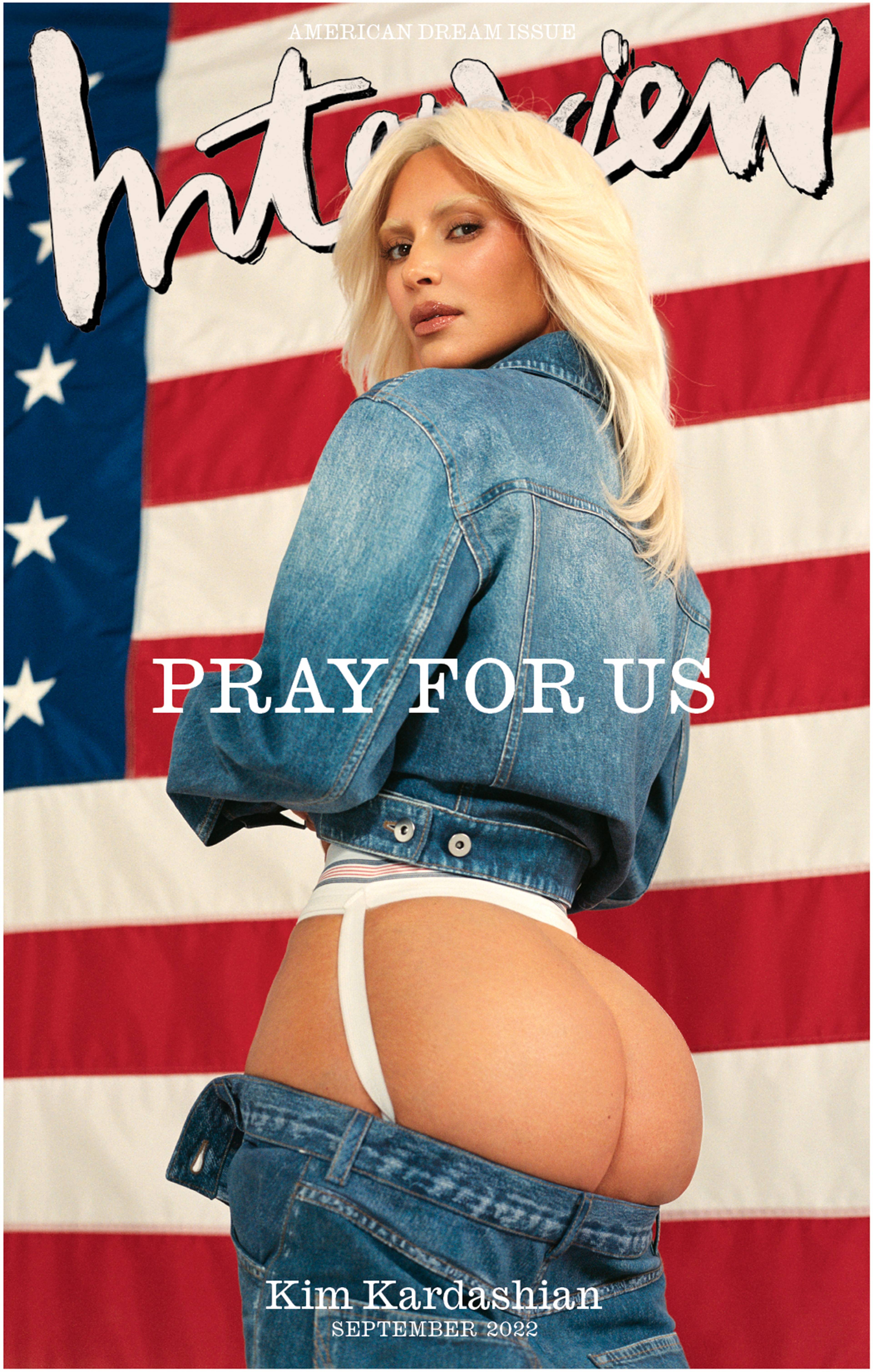
Interview, 2022
BS: America is a culture of extremes. That reminds me a little of your project bringing back Enron, since it was literally the biggest bankruptcy ever at the time. And then it came back as this ironic mystery.
RT: That’s a long story. We’ve been talking for a very long time, and I’m not sure I have any more words. Yeah, Enron. I helped with a bunch of that. It’s too complicated to explain.
BS: OK. So last one. What is perfection to you?
RT: Imperfection is my perfection, Biz baby. Oh yeah. I like the dirt in the oyster – the dirt that creates the pearl.
BS: I’m ending this interview on the dirt and the oyster.