
This September, as I zigzagged around downtown New York for openings and previews and after parties, I kept crossing the same intersection at Canal and Bowery near the Manhattan Bridge. Retracing that stretch of the city felt inefficient. But it also felt like a choice, as I’d rather be in that melancholy confluence of cars and vendors and e-bikes than trudging Chelsea’s austere switchbacks or ringing doorbells on the Upper East Side. I passed through en route from Zhou Xuerong at the Wang Contemporary to Ulrike Müller at Hoffman Donahue. I lined up there for Rhizome’s 30th anniversary gala and dodged traffic to drop by the 10th anniversary show at Magenta Plains. “Criticism is dying,” said a friend, as we passed the bridgehead on the way to a gallery afterparty. I agreed. I told him about a group show at a community art space I’d panned in my undergraduate newspaper, and a fisheye photo of a cow titled Chris’s Friend that I’d singled out. I remember the title after all this time because I went back after the review was published and the artist had renamed it Travis’s Friend. I had the anecdote ready because I’d been thinking about the difference between judgment and criticism as a column topic. What I didn’t tell him is that the September one would be my last.
In a way, Libra Season has been an attempt to reconcile the impulse to render a verdict with the need to understand the world and the people in it. I see how judgment closes down any possibility of understanding an artwork or an artist, and dismisses the possibility that an artwork might mean something for someone else. Judgment might declare what or who matters, but criticism helps us figure out why. At the start of the month, I tried to describe to another friend what writing this column feels like. Well, I’d said, at first it’s about judgment. It feels sour, emotional, angry. Then by the end it’s criticism, light and crisp, like ideas clicking together. Like Fall.
Astrologically speaking, Libra season runs from September 23rd to October 22nd. I’ve been writing this column for two years. The Fall air has the tang of new beginnings, of change. But it’s not spring. Fall is a season of dying back and retreat and resetting. Now feels like a good time to stop.
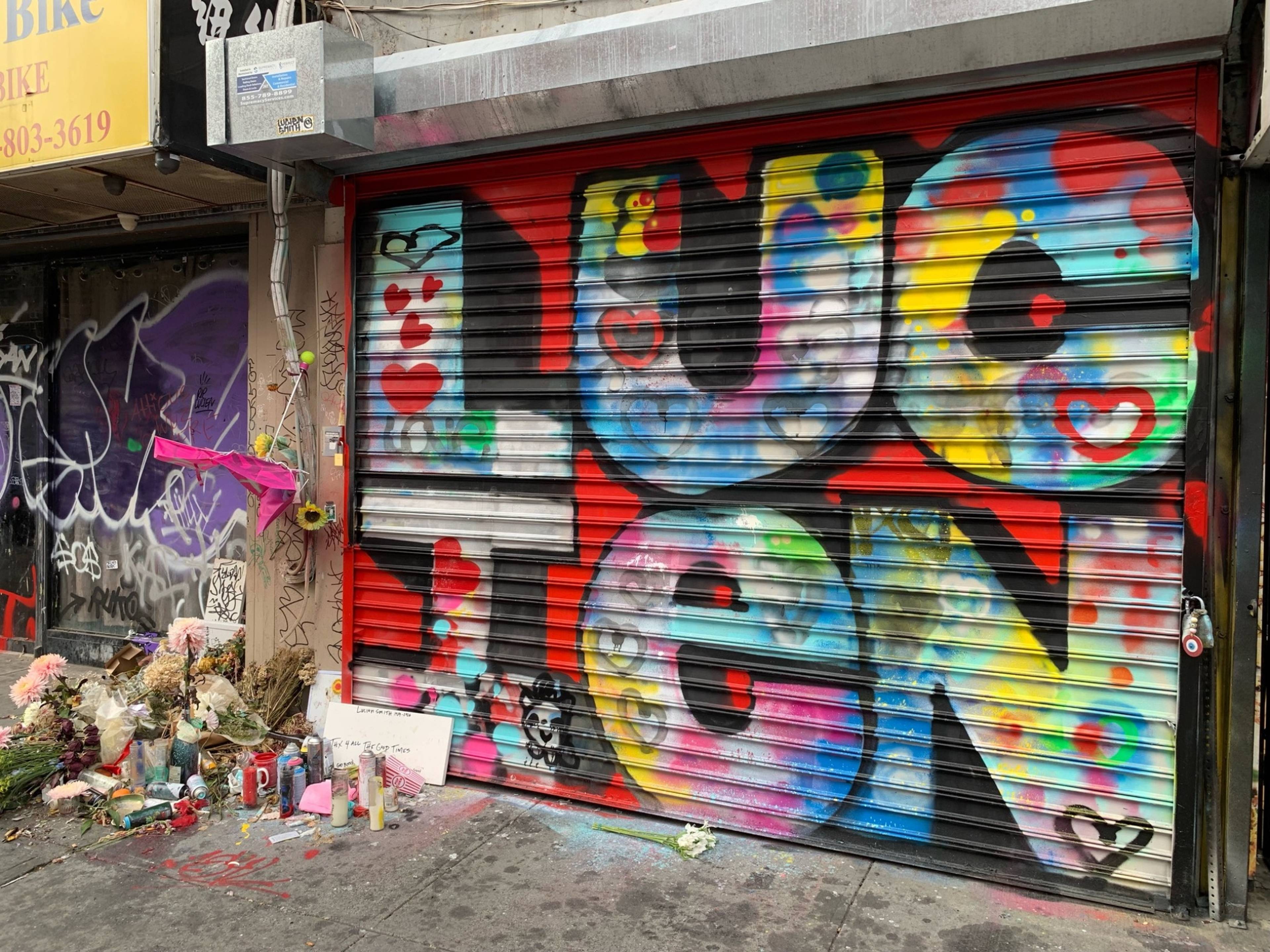
Memorial for artist Lucien Smith outside FOOOD, New York, September 2026. Photo: Travis Diehl
Inevitably, on my rounds, I’d pass the shuttered storefront of FOOOD, a restaurant started a year ago by the artist Lucien Smith. The name alluded to the restaurant FOOD, opened in SoHo by Gordon Matta-Clark and company in 1971. Smith died on the 7th, age thirty-seven, and I watched a sidewalk memorial outside the restaurant fill with flowers and cans of spray paint, fresh flowers piled on top of dry. Smith was a poster child for zombie formalism in the early 2010s. In 2011, fresh out of undergrad, he started making blasé abstractions using fire extinguishers that got flipped for six figures before his market cratered four years later. He was a pretty famous artist and seemed like a well-loved person, although we never met. By the end of the month, someone had added a wooden board written with black marker, “THX 4 ALL THE GOOD TIMES / God Bless You! / The steak was really good.”
FOOOD is a good test case of judgment versus criticism. I’ve wanted to review it, but it’s tricky, especially now that Smith has passed. It’s hard to argue with the artist’s communal intentions, yet the execution was flawed, and undercutting one with the other feels petty because so many folks enjoyed hanging out there. The one time I went, I didn’t try the steak – it was a little pricey – instead I enjoyed a big juicy hot dog with snappy skin and tallowy onions, and a glass of inky cold wine that took 19 minutes to arrive.
The main problem with FOOOD isn’t just that it didn’t succeed as a restaurant, but that it fell short of the ideals it claimed to carry forward from its namesake. FOOD was an affordable artist canteen in SoHo in the 1970s when that neighborhood was zoned industrial. You could get a ham sandwich there for something like $10 in today’s dollars, and it employed some of the same artists it fed. But FOOOD was not that. The hot dog cost $20. There were scandals around staff not being paid and the restaurant closed, without explanation, a few days before Smith’s death. My critique is basically that the project was naive if not cynical about the gulf between 70s SoHo and 20s Chinatown, and yet it identified and served a hunger for in-person connection after a period of Covid lockdowns and very-online social splintering. Art project or not, the restaurant faced the same financial and psychic headwinds as any other overpriced hipster spot in the Dimes Square extended universe. I wouldn’t say FOOOD was good, but it wasn’t bad either. Two and a half stars.
The art world has lost the plot, but people haven’t. New York feels good.
Ratings and thumbs up might help you pick where to go, but criticism helps you understand where you are. Even a real teardown takes empathy. Writers occasionally cherry-pick a quote from my New York Times review of Refik Anadol’s work at MoMA where I call it “only a screen saver.” They deploy this zinger to show that critics just don’t understand digital art even as the work’s sheer popularity proves us wrong. Unfortunately, I do understand. Anadol’s whole project ingests the world’s data (records of birth, growth, death; beauty and murder) and exudes bright, cheerful, mesmerizing pictures. He abstracts all that striving and sorrow into animations that stimulate our senses on an animal level. His work is often presented as apolitical, and maybe he wants it to be, but that’s the whole problem. When I describe Anadol’s gloopy morphing blobs on huge screens as screensavers, I’m saying that when you wiggle the mouse the horrors are still there. That’s not judgment, that’s not dismissive, that’s criticism.
Arguably the season’s biggest show is Taryn Simon at the Guggenheim. It’s the first time any artist, let alone a photographer, has filled the museum’s whole rotunda with new work. The opening was full of celebrities, from Jeff Koons to Salman Rushdie. I was pretty impressed on the way up the ramp. The show starts with a big photo of a crowning baby, then traces the career of an FBI agent involved in international affairs, ending with a video portrait of the artist’s father, a heavier, more secret kind of government agent who now has Alzheimers. With reflection, though, the show feels a bit too neat. Simon takes on banner themes of patriarchy and patriotism using a fuzzy sort of documentary storytelling – some other baby representing the infant that would join the FBI – in a way that confuses the ambivalence of art with the evasiveness and unaccountability of government; as if art and people should be held to the same ethics (none). The photos I liked best were the snapshots of dead rats Simon takes on her walks around Washington Square Park, rodents in various stages of decay, from puff to pancake, the prints displayed on low red pedestals, the NYC pavement jiving with the Guggenheim’s terrazzo floors. The show puns on “rat” throughout, as in snitch, but these photos also brought Simon’s work back to a macabre and relatable level of specificity. Can we trust images? Yes: There are rats in New York City.
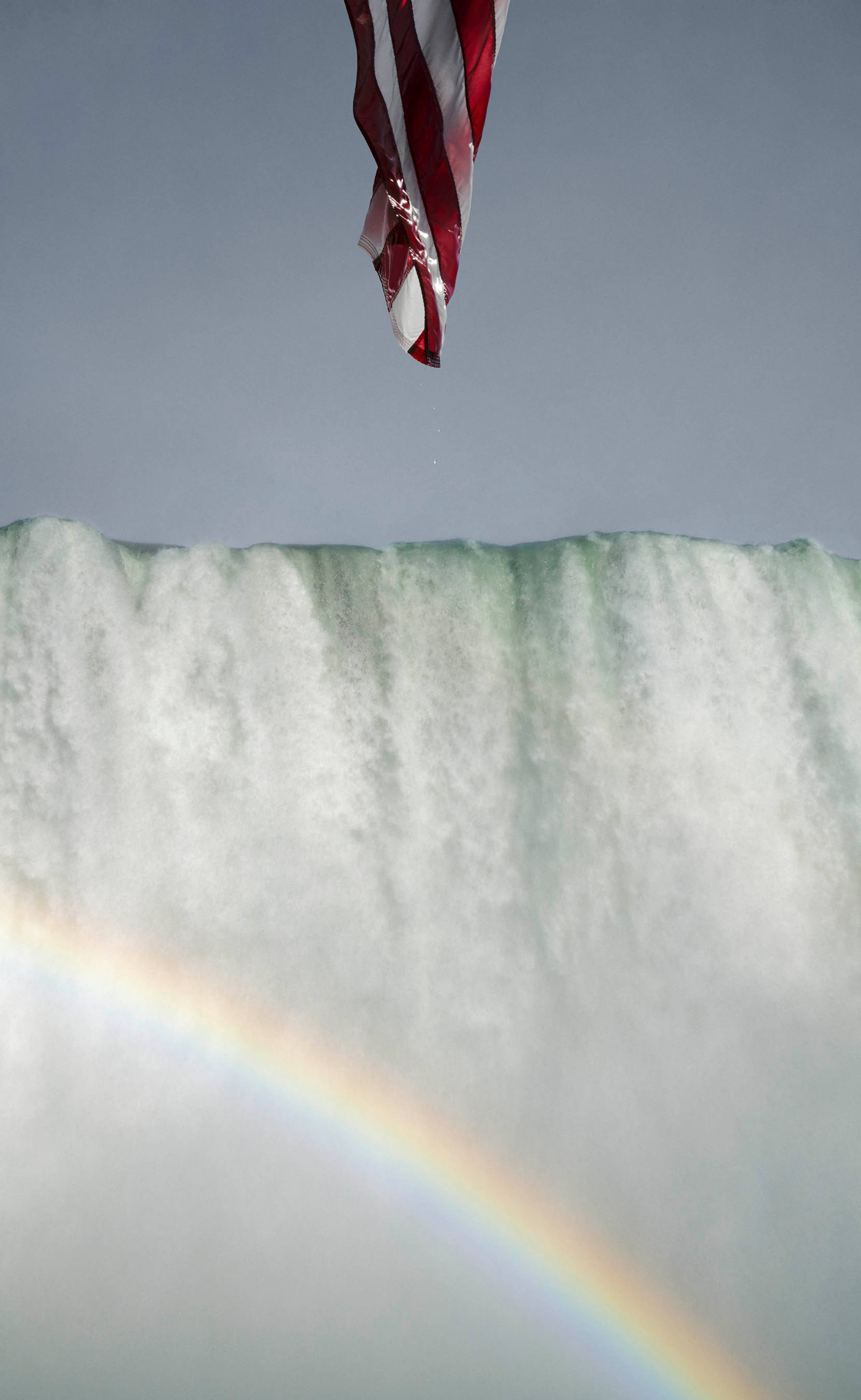
Taryn Simon, There’s no start or finish, 2026 (detail), archival inkjet print and two text panels in acrylic frames; print: 94 241 x 148.6 x 7 cm; text panels: 46.7 x 31.4 x 4 cm and 37.8 x 12.4 x 4 cm. © 2026 Taryn Simon

Taryn Simon, I sleep under it every night, 2026 (detail). Archival inkjet print and two text panels in acrylic frames; color video, with sound, 19 min. 32 sec.; print: 191.6 x 148.6 x 7 cm; text panels: 46.7 x 31.4 x 4 cm and 37.8 x 12.4 x 4 cm. © 2026 Taryn Simon

Taryn Simon, Like kryptonite, 2026 (detail), archival inkjet print with pigmented polyurethane resin and LED lighting in acrylic frame; archival inkjet print and two text panels in acrylic frames; two-channel color video installation, with sound, 4 min., 15 sec.; print with resin: 191.6 x 148.6 x 15.2 cm; print: 191.6 x 148.6 x 7 cm; text panels: 46.7 x 31.4 x 4 cm and 37.8 x 12.4 x 4 cm. © 2026 Taryn Simon
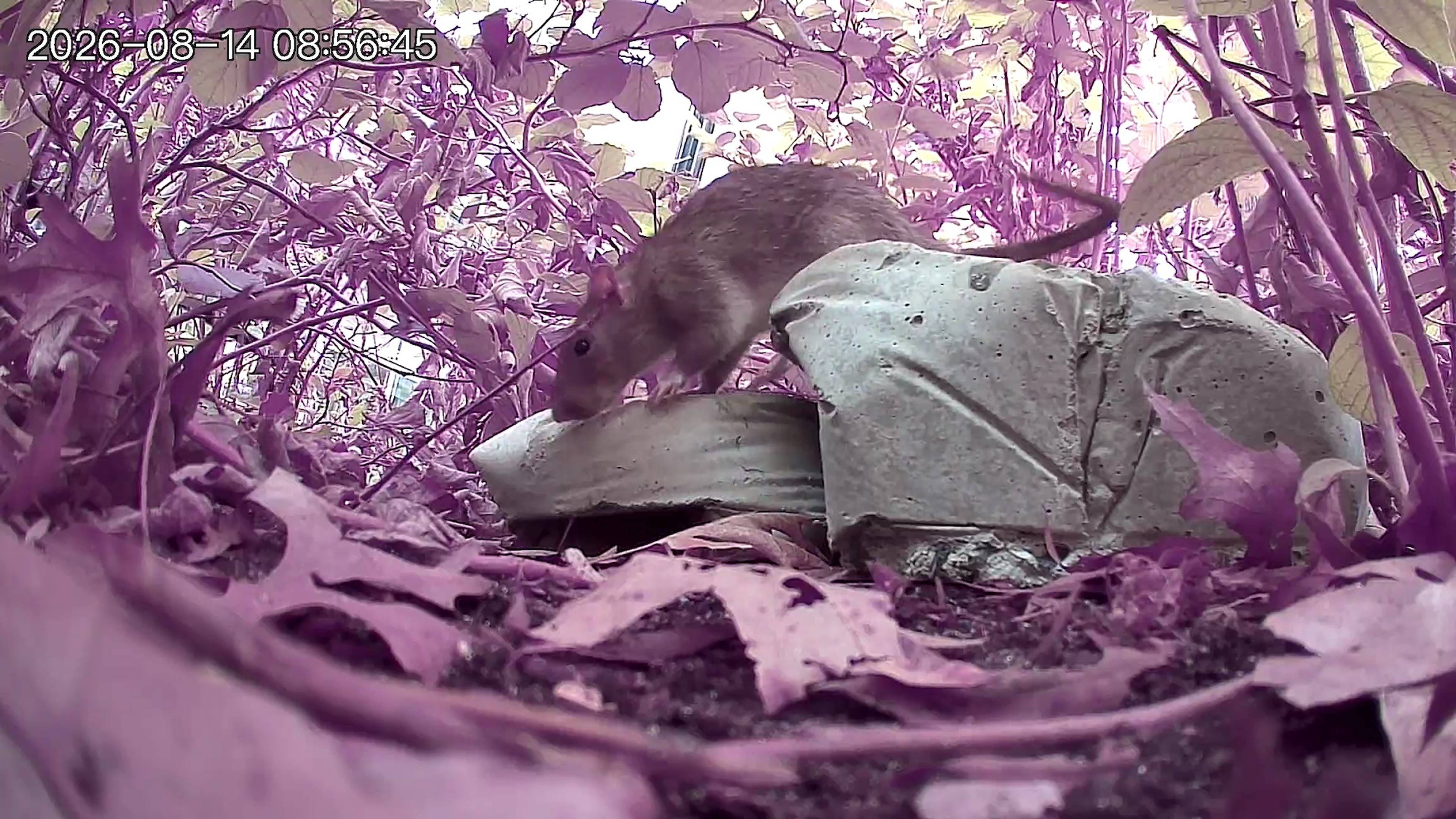
It was late after the Simon opening, but I wanted to see a set of sculptures by Asad Raza that the artist had placed overnight in rat-infested parts of downtown. The idea was for these small concrete casts to gather a little murine patina before being installed at times, a young nonprofit gallery in Little Italy. The curator had texted me a map. I got out of the car at Forsyth and Canal, within sight of the Lucien Smith memorial, and found the first pile in the flower beds bordering a playground. The next one was under the Manhattan Bridge, behind a metal walk-in fridge door with a scrap of wood wedged under it, beside two dumpsters vibrating with rats and bile. Then I walked back down Canal, through Dimes Square, maybe the last christened epicenter of an art scene, a scene this magazine helped create. Did you come here to discover the next big thing? Instead, there are a thousand small ones. The art world has lost the plot, but people haven’t. New York feels good. All month I talked to folks who feel powerless against the big moves reshaping the planet, and doubtful that the art industry can help us. So they’re keeping their energy local. They’re out here starting magazines and restaurants, reading series and salons, working things out offline and off the record.
I spent half an hour tracing the perimeter of Seward Park, looking for a sculpture in the vines. There were lots of rats, and guys playing ping-pong by lamplight, a skater asking a cop why he was posted by the gate, a couple in Sunday clothes kissing by a trash can. I was still wearing a suit from the Guggenheim opening, sweating, feeling like I might fall through the cracks, and yet entranced by the unselfconscious rats and humans rustling in the small hours of September, jostling for a taste of life’s buffet.
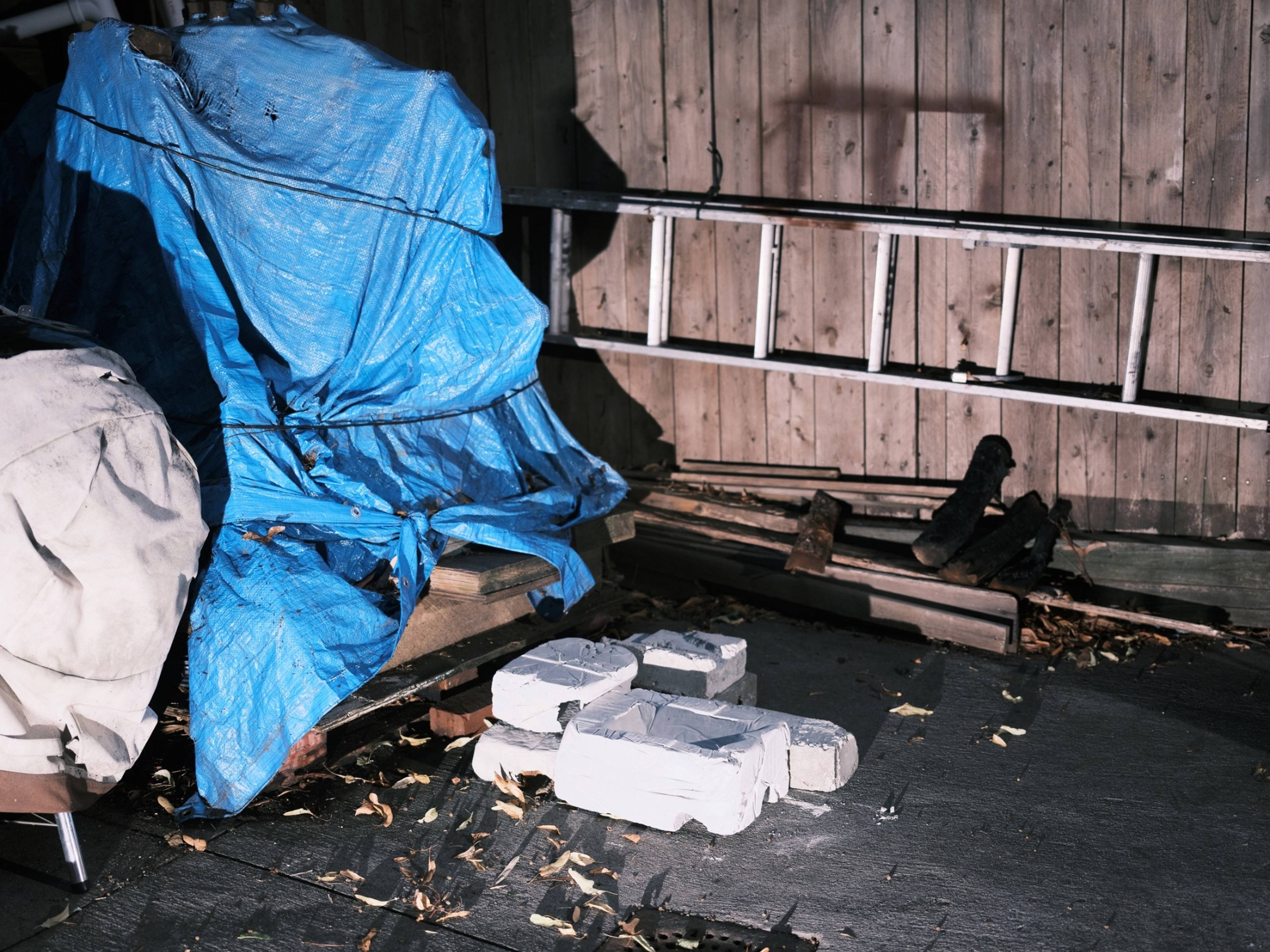
Behind-the-scenes photograph during the making of Asad Raza, “Thigmotaxis (the rat show),” times, New York, September 19–December 12, 2026. Courtesy: the artist and times, New York. Photo: Devyn Galindo
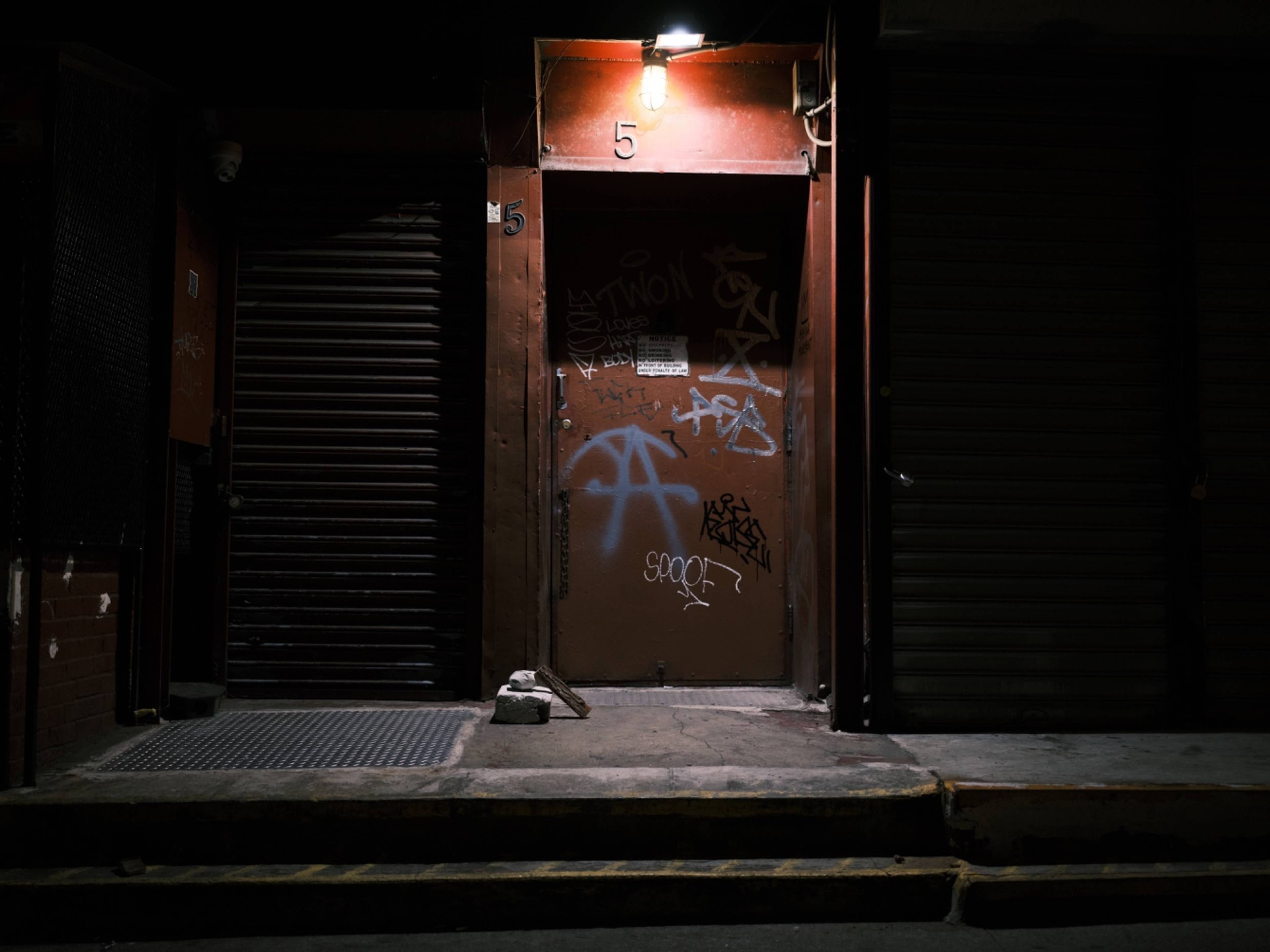
Behind-the-scenes photograph during the making of Asad Raza, “Thigmotaxis (the rat show),” times, New York, September 19–December 12, 2026. Courtesy: the artist and times, New York. Photo: Devyn Galindo